




.584eab39.webp&w=256&q=50)


.584eab39.webp&w=384&q=50)


.e3d5a59c.png&w=96&q=50)

.bc532c5a.svg)


“Flowers with sturdy stems”
Examples include tuberose, torch ginger, and similar flowers. These flowers have thick, firm stems, which makes it harder for them to absorb water. After cutting the stems, you should gently crush the ends of the stems for about 1 inch to help them take in water better. Then rinse the crushed area clean. After that, pour or spray water over the whole bunch and place it in a bucket with a small amount of clean water. Too much water can cause the stems to rot more quickly. Regularly trimming the stems and changing the water will help your flowers stay fresh. This method also helps prevent the flowers from losing nutrients through the sap in the stems.

“Roses”
Roses are delicate flowers that wilt easily, and they need more water than many other flowers. If you want to arrange them in a vase, you should remove the leaves and thorns from the lower part of the stem, leaving leaves on about three quarters of the stem. Then trim the stems under water. Do not leave the cut stems out too long before placing them in water, because air can quickly dry out the water-conducting tubes and make the roses lose their freshness.

“Bulb flowers”
Examples include amaryllis, rain lily, tulips, and similar flowers. These flowers should be cut straight across the stem, otherwise they may not be able to absorb water properly. Any clear sap should be allowed to drain out completely, because it can block the water pathways that nourish the flower. When these flowers are placed in water, the stems often bend, which can make arranging them more difficult. To prevent the stems from curving, you can gently tie the ends of the stems with string after cutting them. Be careful not to wrap the stems too tightly.

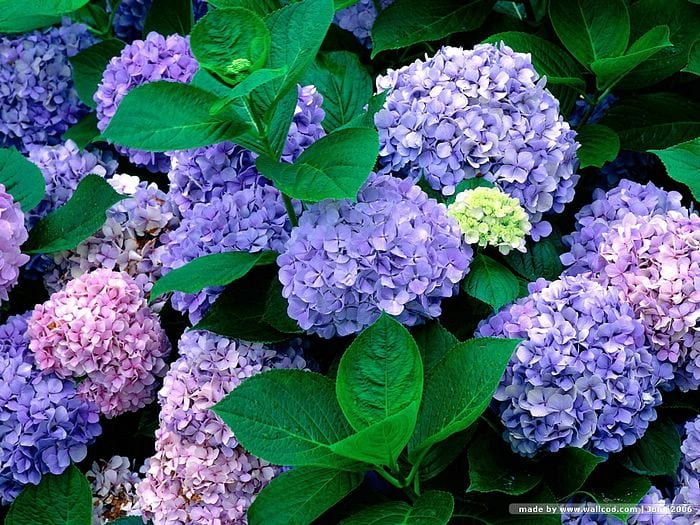
“Hydrangeas”
Hydrangeas wilt very quickly once cut from the plant, so they require special care when placed in a vase. Dip the cut end of the stem in hot water to help the flowers stay open longer. Then dip the hot-water-treated stem into alum powder to a depth of about 1 inch, tap off the excess powder, and place the stem into cold water. Another method is to wrap the stem end with a cloth soaked in cold water and keep it moist at all times. This can help the flowers stay fresh for about 4 hours. These methods can help hydrangeas remain fresh and wilt more slowly.
“Carnations”
To help carnations last as long as possible in a vase, follow these recommendations:
Flowers especially need moisture and water when they are arranged in floral foam. Since foam holds less water than a vase, it is very important to keep it moist at all times. Do not let the foam dry out, and add water to it every other day.
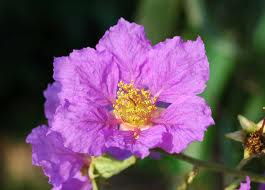
When cutting the stems, always cut just above a node so the stem can absorb water more easily.
“Orchids”
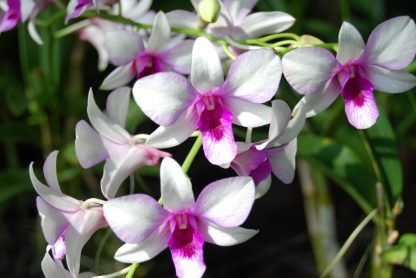
Orchids require special care. Orchids can last a long time in a vase as long as their stems remain in water. When you buy orchids, the stems may be placed in small water tubes or wrapped with wet cotton. Remove these, trim the stems slightly, and then place them in clean water. Orchids should be kept away from heat, strong drafts, fans, air conditioners, or anything that can reduce their moisture. Mist them regularly. If the flowers start to wilt, submerge the whole flower in water for about 1 hour. Orchids should not be placed near fruits, vegetables, or other wilted flowers because they are very sensitive to ethylene gas.
“Gerberas”
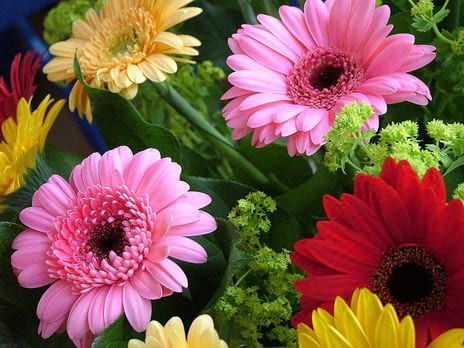
Gerberas have soft stems and can absorb a large amount of water. If the stems are cut and placed in water, they may absorb too much water, causing the stems to split and rot easily. That is why flower farms often pull gerberas up for sale rather than cutting them. During the first 3–4 days after purchase, you should not trim the stems. Cutting them can bruise the stems, cause them to rot more quickly, and shorten their vase life. You should also avoid spraying water directly onto the center of the flower, because this can lead to fungal growth.
“Chrysanthemums”
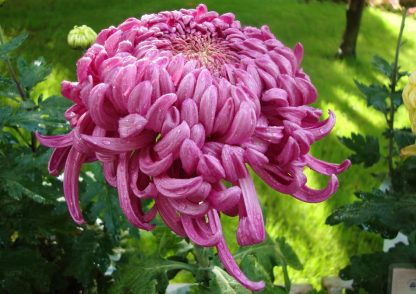
This includes mums, chrysanthemums, pom-pom mums, and spider mums. The leaves of these flowers wilt very quickly. If you want the flowers to last longer, remove all the leaves from the stems, then trim the stems. This will help the flowers stay fresh for a longer time.











































.0adc7e30.svg)





.cb318420.webp&w=256&q=50)







.8f90a919.webp&w=64&q=50)
