




.584eab39.webp&w=256&q=50)


.584eab39.webp&w=384&q=50)


.e3d5a59c.png&w=96&q=50)

.bc532c5a.svg)


When people think of lavender, they often picture purple flower fields, a gentle fragrance, and a calming atmosphere. But behind the beauty of this flower lies a long history that connects it to many civilizations around the world. Lavender is not only admired for its appearance and distinctive scent. It is also a plant that has played a role in beliefs, daily life, and practical use across many different periods of history.

The Beginning of Lavender
Lavender is believed to have existed for more than 3,000 years, with origins in the Mediterranean region, the Middle East, and parts of India. Its unique fragrance and recognizable purple color helped it become known from ancient times. In its earliest days, lavender was not seen only as an ornamental plant. It was also used in daily life and in various rituals by people of the ancient world.
In the Ancient World, Lavender Became Known Across Many Civilizations
Looking at the historical timeline, lavender appears in stories and practical use from the ancient world onward. It is believed that the Phoenicians, known for their influence as sailors and traders in the Mediterranean, may have been one of the groups that helped spread this plant to different regions.
Around the same period, lavender also appeared in ancient Egyptian civilization, where aromatic plants were widely used in many aspects of life, including perfumes, scented waxes, and important rituals. This helped give lavender an early association with fragrance, refinement, and careful craftsmanship.

Lavender in Ancient Egypt and the Story of an Unforgettable Fragrance
When lavender is discussed in the ancient world, Egypt is often one of the first civilizations mentioned. Historical records show that fragrant plants were valued for both beauty and ritual purposes, and lavender is often believed to have been among the plants appreciated in that era. There are also stories that connect lavender with charm and allure. Cleopatra is often mentioned as a figure associated with fragrance and the art of creating a lasting impression. While some of these stories carry a legendary quality, they have helped strengthen lavender’s image as a flower of elegance and fascination.
In the Roman Era, Lavender Became a Flower of Cleanliness and Purification
Later, during the Roman period, lavender took on a clearer role in everyday life. People used aromatic plants for bathing, scenting clothes, freshening bedding, and adding fragrance to their homes. The name “lavender” is often linked to the Latin word lavare, meaning “to wash” or “to cleanse.” This connection reflects the flower’s image as a plant associated with cleanliness, freshness, and personal care.
Some records also mention the use of lavender among Roman soldiers. Because of this, lavender came to be remembered not only for its scent, but also as a plant with practical value in everyday life during that time.
From the Late Middle Ages to the Renaissance, Lavender Became a Popular Fragrant Plant
As time passed, lavender grew increasingly popular across Europe, especially from the late 15th century to the early 17th century, when people placed greater value on fragrance, herbs, and personal care.
In England, lavender became especially well known during the reign of Queen Elizabeth I. Stories suggest that she was particularly fond of lavender in the form of perfume, herbal tea, and daily household use. This further strengthened lavender’s image as a symbol of elegance, gentleness, and refinement.
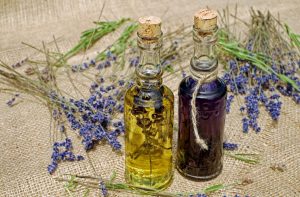
In the 17th Century, Lavender Became Associated with Protection
During the 17th century, many people in Europe also linked lavender to ideas of protection. Some households would hang lavender by the door or inside the home because it was believed to help ward off negativity and bring peace. In France, lavender is also often mentioned in stories related to the time of the plague. One well-known legend tells of four thieves who protected themselves from disease by using certain herbs, and lavender is often included among the plants connected to this story. This added to lavender’s image as a fragrant plant associated with more than beauty alone.
From the 18th to the 19th Century, Lavender Became More Widely Grown
Over time, lavender was no longer limited to the gardens of the upper class or to use within Europe alone. It began to be cultivated more widely and gradually developed into an important plant in other regions as well.
In France, lavender remained highly valued as a fragrant plant among the upper classes. By the late 19th century, more serious lavender farming had also begun in places such as Australia, helping the plant become known to a much broader audience.
From the 20th Century to the Present, Lavender Became a Symbol of Relaxation
In the modern world, lavender is widely recognized as a flower and herb that represents peace, relaxation, and softness. Around the world, people use lavender in many forms, including perfume, body care products, home décor, scented candles, and floral design concepts. In many countries, large lavender farms have also become popular tourist destinations. Lavender fields are not only visually beautiful, but also create an atmosphere that feels peaceful and memorable.
Even in Thailand, lavender is widely recognized and loved, especially as a flower associated with fragrance, softness, and romance.
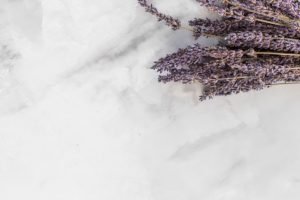
The Meaning of Lavender
Beyond its long history, lavender is also a flower with beautiful symbolism. It is often associated with calmness, gentleness, purity, and emotional comfort.
With its soft image and distinctive scent, lavender is a meaningful flower to give on occasions when you want to express care, comfort, or quiet encouragement in a gentle yet sincere way.
Why Lavender Continues to Be Loved
Lavender’s charm lies in the fact that it brings together beauty, fragrance, and a fascinating story. It is not simply a flower that looks lovely in photographs or in wide fields. It is also a flower that creates feeling and leaves a lasting impression.
For those who love flowers with a soft and elegant character, lavender is a beautiful choice in both meaning and atmosphere, especially when you want to share a thoughtful feeling with someone.
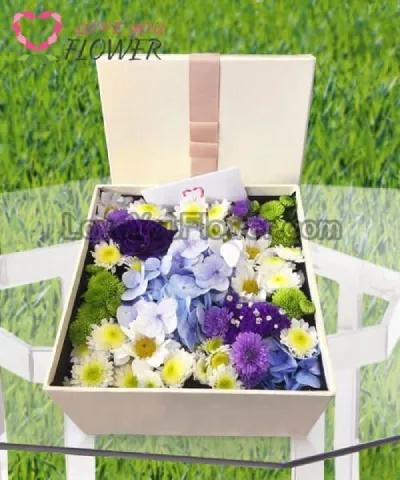
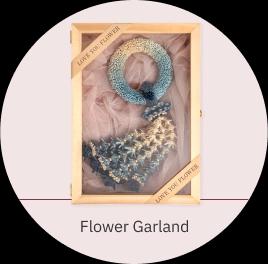
If anyone is interested in ordering flowers from Love You Flower, you can contact us through any of our channels. We are always happy to help, and you can place your order through our website 24 hours a day.























.0adc7e30.svg)





.cb318420.webp&w=256&q=50)







.8f90a919.webp&w=64&q=50)
