3. Use fillers the “premium” way: subtle, not dominant
Fillers are small flowers or foliage used to soften the look, add texture, and fill gaps—without stealing the spotlight from the main flower.
Used correctly, fillers make the bouquet feel fuller and more refined without significantly increasing cost.
Think of fillers like seasoning: a little makes the bouquet elegant; too much makes it look busy and cheaper.
4. A bouquet with “air and dimension” often looks pricier than a packed one
A common mistake is trying to make a bouquet look expensive by packing everything tightly. On a smaller budget, that can make it look heavy and flat.
A more premium approach is a bouquet with layers and a little breathing room—so the hero flower stands out and the shape looks intentional.
A slightly loose, dimensional style tends to look more “designer” and photographs better.
5. Wrapping + ribbon can upgrade the whole bouquet more than extra flowers
If you want the most cost-effective upgrade, invest in packaging. Premium wrapping instantly changes the perceived value.
A safe premium combo
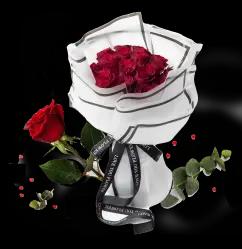
- Matte wrapping paper in cream / nude / grey / black
- A clean, minimal ribbon (fabric/satin look, no loud patterns)
The rule: less shine, fewer patterns, more elegance.
6. Add ONE “compliment trigger” (one detail that makes people notice)
You don’t need many extras—just one standout detail is enough:
- One unique-shaped bloom as a focal accent
- A subtle gradient arrangement
- A short, thoughtful message card
Simple message ideas that work for most occasions:
- “Thank you for making today special.”
- “So happy to have you in my life.”
- “Thinking of you—always.”
Choose by Recipient Style (The “safe” way to get it right)
If you’re unsure, match the bouquet to the recipient’s vibe:
- Minimal & elegant: white/cream/nude + matte wrapping
- Soft & romantic: blush/peach + subtle fillers
- Bold & stylish: wine/plum tones + grey/black wrap
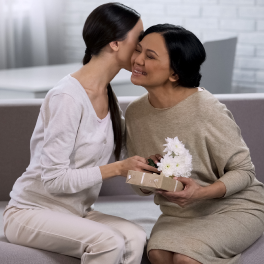
- For seniors/clients: cream–white with muted greens (polite, premium)
A premium look isn’t about quantity—it’s about refinement. Focus on four things: one clear hero flower, a controlled 2–3 color palette, a dimensional shape, and clean matte packaging. Add one small “compliment trigger,” and your bouquet will look intentionally premium—even on a limited budget.
FAQ about Flower-Picking Formula
1. Can a 500-budget bouquet look premium?
Yes. Keep the palette clean, use one clear main flower, choose a dimensional shape, and upgrade the wrap to a matte, minimal style.
2. Which color palette looks most expensive?
Nude (cream–beige–peach) and all-white usually look premium fastest and photograph very well.
3. How can I make the bouquet look bigger without increasing the budget?
Use shape and layering (a slightly airy structure) and add subtle fillers/foliage in moderation—this increases perceived volume without adding costly main flowers.




.584eab39.webp&w=256&q=50)


.584eab39.webp&w=384&q=50)


.e3d5a59c.png&w=96&q=50)

.bc532c5a.svg)




















.0adc7e30.svg)





.cb318420.webp&w=256&q=50)







.8f90a919.webp&w=64&q=50)
